Nebula Heart
Biomechanical organ combining organic and synthetic matter
Overview
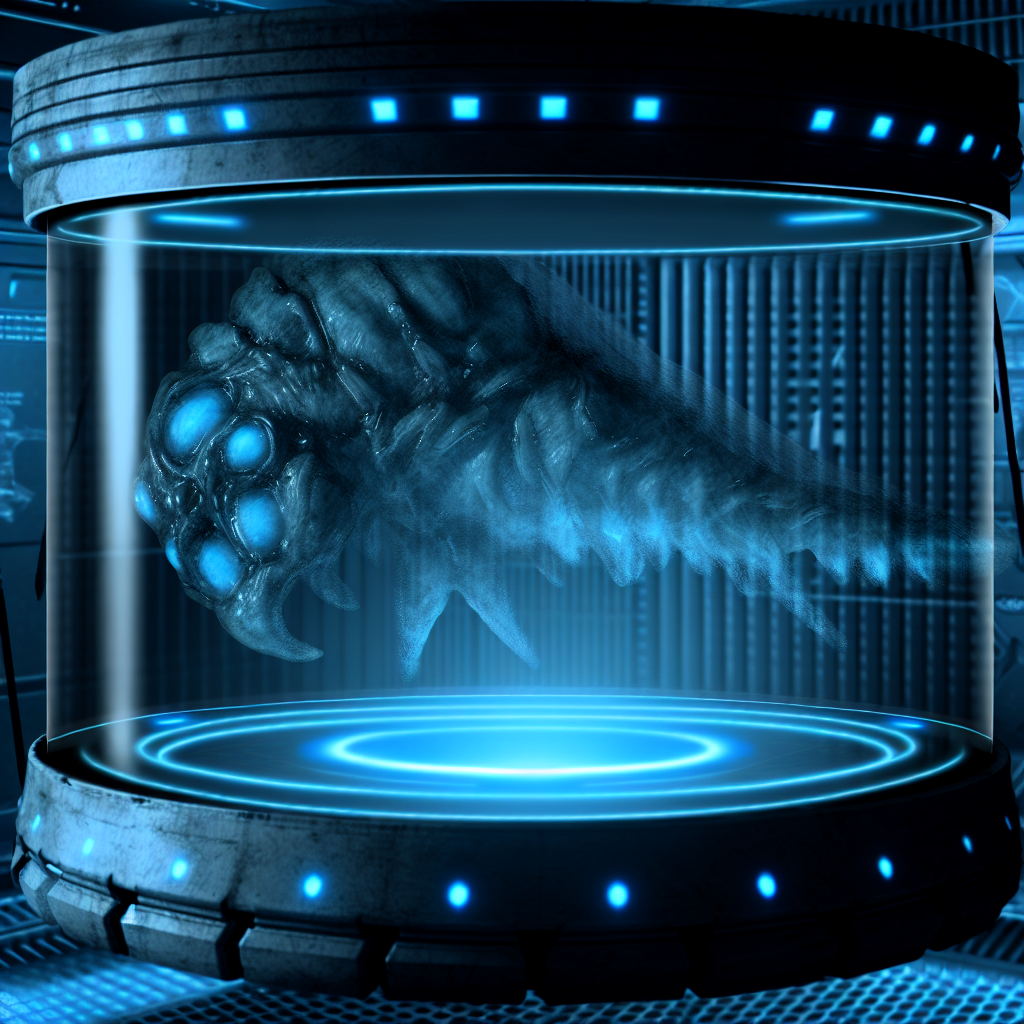
The Nebula Heart represents one of the most perplexing discoveries in xenobiology. This artifact appears to be a functioning organ that combines organic biological tissues with synthetic mechanical components in a seamless integration. It continues to pulse rhythmically, suggesting some form of ongoing metabolic process.
Discovery & Origin
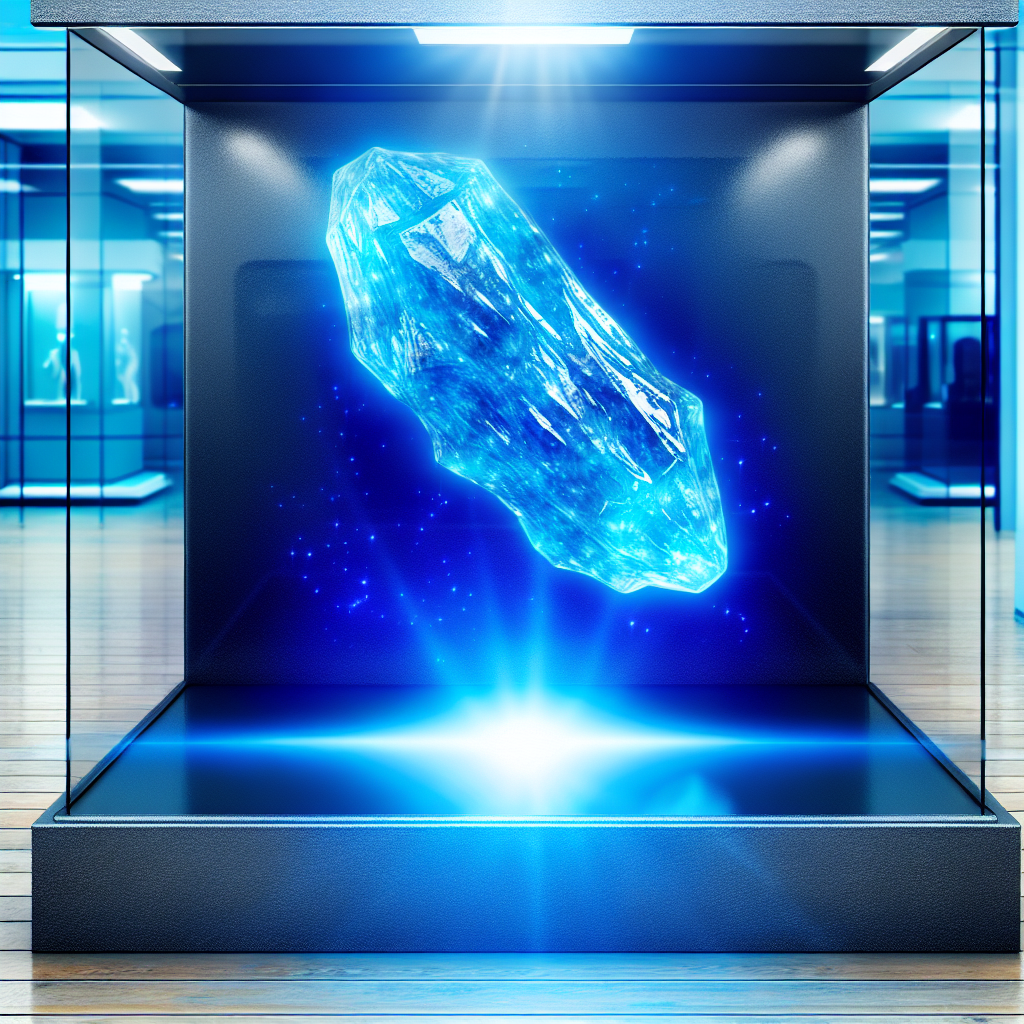
Found within a debris field in the Helix Nebula (NGC-7293), the Heart was discovered inside what appeared to be the remains of a massive biomechanical entity. The surrounding wreckage suggests the being was hundreds of meters in size. The Heart was encased in a protective crystalline shell that kept it in perfect stasis.
Scientific Analysis
Dr. Ramirez's analysis reveals the organic components are based on a silicon-carbon hybrid biology never before encountered. The mechanical elements appear to enhance and regulate the biological processes. Most remarkably, the Heart responds to the presence of certain energy frequencies, altering its pulse rate, suggesting it may have been designed to interface with technology.
Technical Specifications
| Age | 6.8 million years |
|---|---|
| Origin | Nebula Cloud Formation NGC-7293 |
| Conservation Status | Excellent - Under constant monitoring |
| Display Location | Deep Space Relic Museum, Special Exhibition Hall |
| Security Level | High - Environmental controls active |
Related Artifacts